
Is WearEver Aluminum Cookware Safe?
Separating facts from myths about aluminum cookware safety. Get evidence-based answers to your health concerns about cooking with aluminum pans and learn why modern WearEver cookware is safe for your family.
The Short Answer: Yes, Aluminum Cookware Is Safe
WearEver aluminum cookware is completely safe for everyday cooking when used properly. Modern research has thoroughly debunked health myths about aluminum cookware, including any connection to Alzheimer's disease. The Alzheimer's Association, World Health Organization, and FDA all confirm that aluminum cookware poses no health risk to consumers.
Additionally, WearEver's modern coated cookware lines (Pure Living ceramic, professional non-stick) are PTFE and PFOA-free, providing an extra layer of safety and non-reactive cooking surfaces ideal for all types of foods, including acidic ingredients.
The Alzheimer's Disease Myth: What Science Really Says
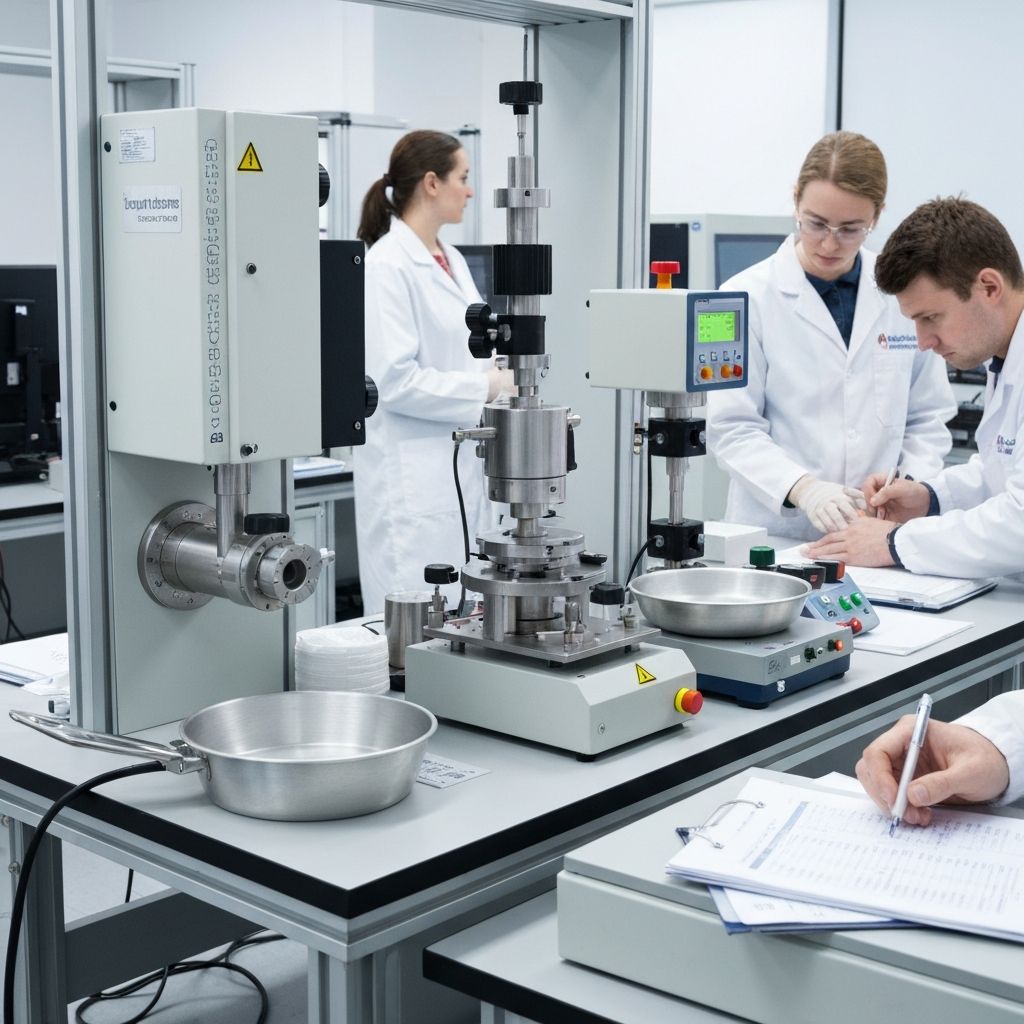
In the 1970s, researchers found elevated aluminum levels in the brains of some Alzheimer's patients, sparking widespread concern about aluminum cookware. This single study created decades of fear and misinformation about cooking with aluminum pans, including WearEver cookware.
However, extensive research over the past 50 years has thoroughly debunked this connection. The Alzheimer's Association definitively states: "Studies have failed to confirm any role for aluminum in causing Alzheimer's disease." The initial findings were later attributed to contamination in laboratory procedures, not a causal relationship.
The World Health Organization (WHO) and the U.S. Food and Drug Administration (FDA) have both concluded that aluminum from cookware poses no health risk. The amount of aluminum that leaches into food from cookware is minimal—far less than what we consume naturally through foods like tea, processed cheese, and antacids.
What Major Health Organizations Say About Aluminum Cookware
"During the 1960s and 1970s, aluminum emerged as a possible suspect in Alzheimer's. This suspicion led to concern about everyday exposures to aluminum through sources such as pots and pans, beverage cans, antacids and antiperspirants. Since then, studies have failed to confirm any role for aluminum in causing Alzheimer's."
The WHO Expert Committee on Food Additives established that aluminum intake from all sources, including cookware, is well below levels that would cause health concerns. Normal aluminum exposure from cookware is considered safe for the general population.
The FDA considers aluminum safe for use in cookware and food contact. Their research shows that the body naturally processes and eliminates aluminum through the kidneys, and the minimal amounts from cookware pose no accumulation risk for people with normal kidney function.
Understanding Aluminum Cookware: Anodized vs. Raw Aluminum
Not all aluminum cookware is created equal. Understanding the difference between anodized, coated, and raw aluminum helps you make informed decisions about WearEver cookware safety and performance.
Anodized & Coated Aluminum
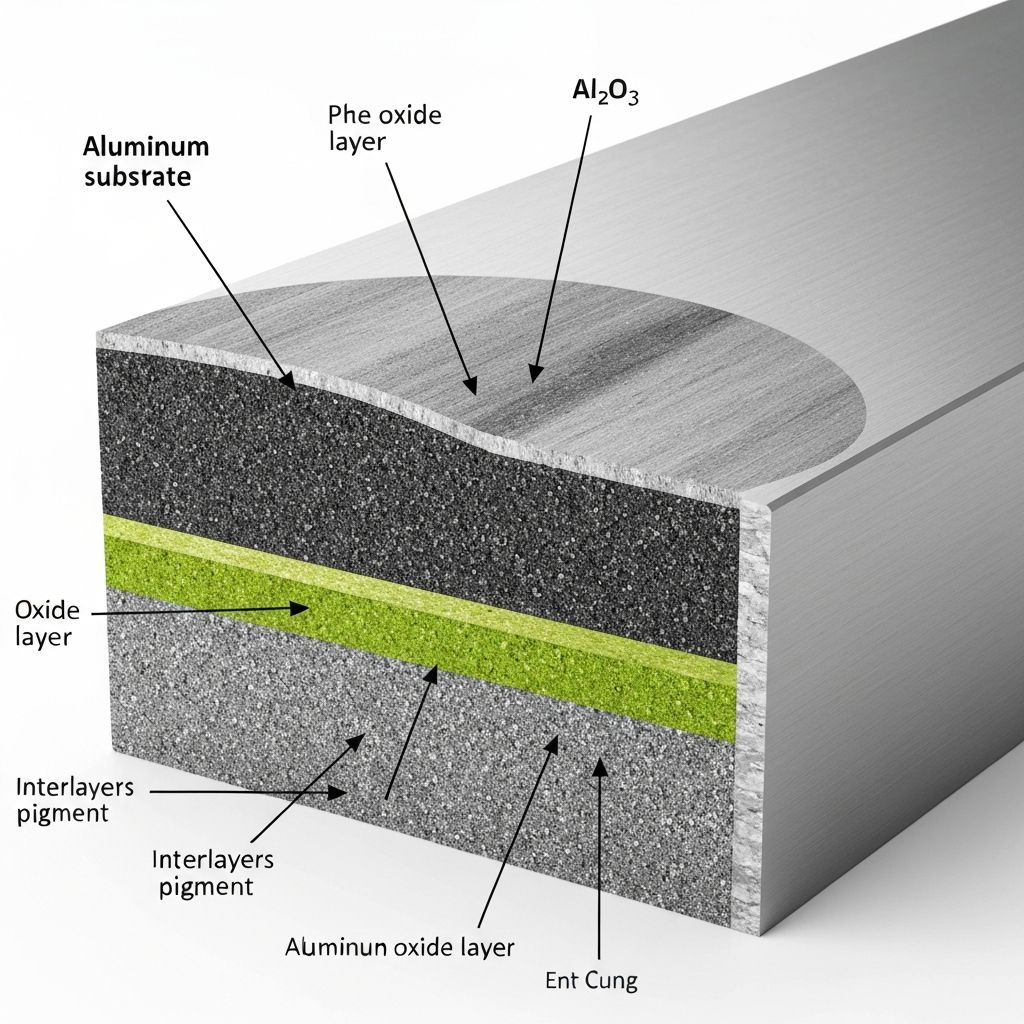
Anodized aluminum undergoes an electrochemical process that creates a hard, non-reactive oxide layer on the surface. This protective coating is molecularly bonded to the aluminum, making it incredibly durable and non-reactive with foods.
WearEver's coated cookware lines use similar protective technologies. The Pure Living ceramic coating and professional CeramiGuard II non-stick coating create completely non-reactive surfaces that don't leach aluminum into food, even with acidic ingredients like tomatoes or citrus.
- Non-reactive with all foods, including acidic ingredients
- No aluminum leaching into food
- Scratch-resistant and durable surface
- Easy to clean and maintain
- Safe for all cooking methods
Raw/Uncoated Aluminum
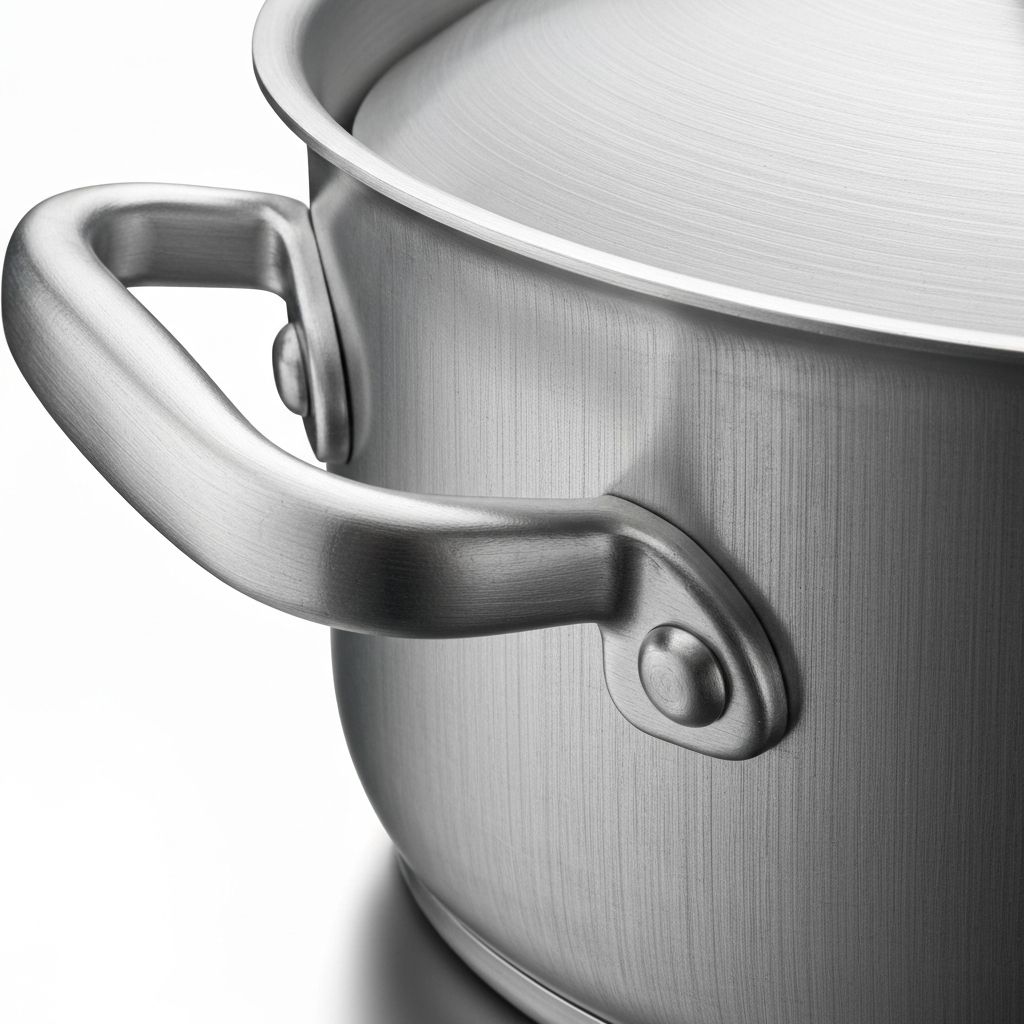
Raw aluminum cookware has no protective coating, exposing the bare metal to direct contact with food. While still safe for most cooking, uncoated aluminum can react with acidic or alkaline foods, potentially causing a metallic taste and slight discoloration of the cookware.
Vintage WearEver cookware from earlier decades is often raw aluminum. These pans develop a natural patina (oxidation layer) over time that actually reduces reactivity. However, they may impart a metallic taste to highly acidic foods like tomato sauce, vinegar-based dishes, or citrus preparations.
- May react with acidic foods (taste issue, not health risk)
- Can discolor or darken with use (cosmetic only)
- Minimal aluminum leaching (still within safe levels)
- Safe for general cooking and heat distribution
- Can be seasoned like cast iron for better performance
PTFE, PFOA, and Modern Non-Stick Safety
Understanding non-stick coating safety is crucial for making informed cookware choices. WearEver's modern Pure Living ceramic cookware line is completely free from PTFE (Teflon) and PFOA, addressing consumer concerns about these chemicals.
PTFE (polytetrafluoroethylene) is the chemical name for Teflon, the non-stick coating used in many pans. While PTFE itself is considered safe at normal cooking temperatures, it can release harmful fumes if overheated above 500°F (260°C). This is why proper temperature control is important with traditional non-stick cookware.
PFOA (perfluorooctanoic acid) was historically used in the manufacturing process of PTFE coatings. Health concerns about PFOA led to its phase-out from cookware production. Since 2013, all reputable cookware manufacturers, including WearEver, have eliminated PFOA from their products.
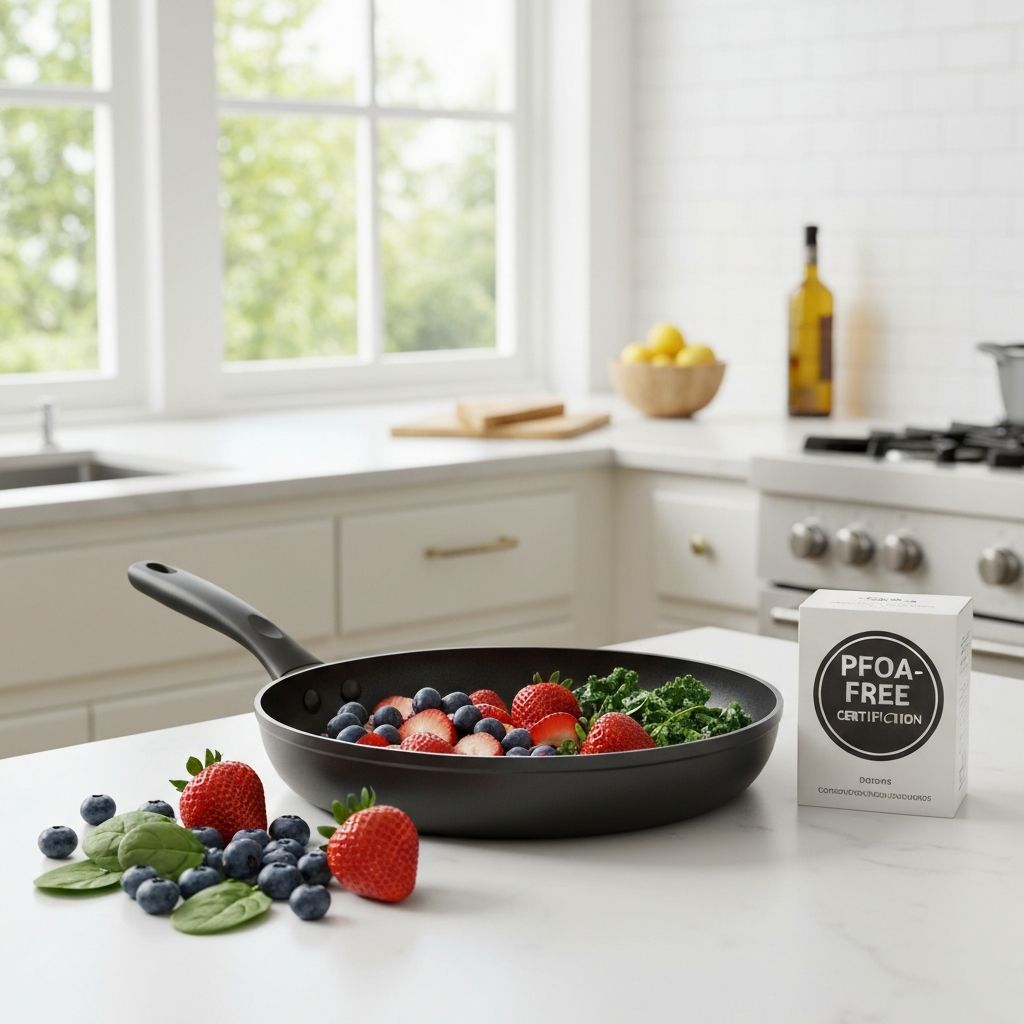
WearEver's Pure Living ceramic non-stick cookware offers a completely PTFE-free and PFOA-free alternative. The ceramic coating is made from inorganic materials derived from sand, creating a naturally non-stick surface without any synthetic polymers or potentially harmful chemicals.
Traditional PTFE (Teflon)
Used in many non-stick pans. Safe when used properly at normal cooking temperatures. All modern production is PFOA-free. Requires careful temperature control to avoid overheating.
- • Keep temperatures below 500°F
- • Use low to medium heat
- • Ventilate kitchen when cooking
- • Discard if coating is damaged
WearEver Ceramic Coating
Pure Living ceramic cookware is completely PTFE-free and PFOA-free. Made from natural inorganic materials with no synthetic polymers. Safe at high temperatures without harmful fume risk.
- • No toxic fumes at any temperature
- • Chemical-free non-stick surface
- • Naturally derived from sand
- • Excellent heat tolerance
Uncoated Aluminum
Natural aluminum surface with no coating. Completely free from PTFE, PFOA, and all synthetic chemicals. Develops natural patina over time. Ideal for high-heat cooking.
- • No chemical coatings whatsoever
- • Extremely durable and long-lasting
- • Can be seasoned for non-stick
- • Best for professional use
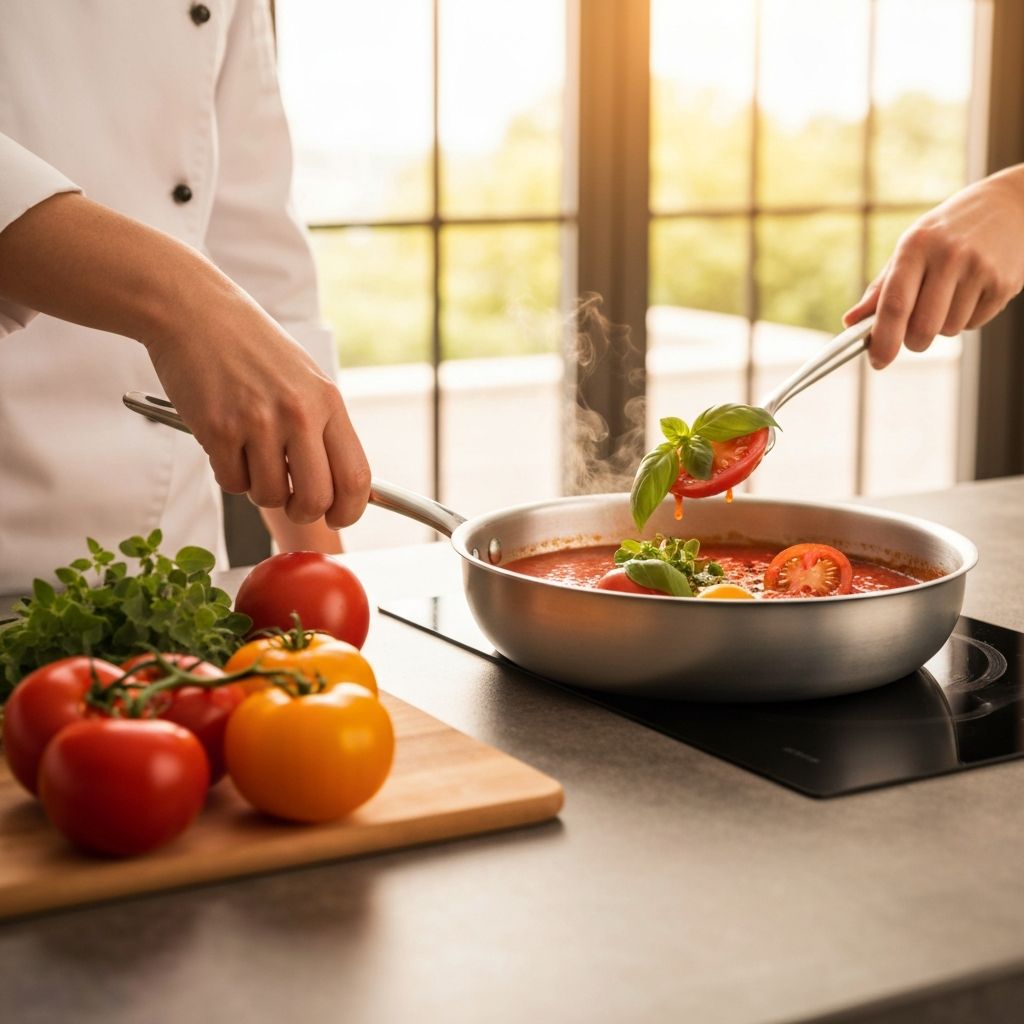
Cooking Acidic Foods: What You Need to Know
The interaction between acidic foods and aluminum cookware is one of the most common concerns. Understanding how different types of WearEver cookware handle acidic ingredients helps you cook safely and avoid unwanted flavors.
Raw/Uncoated Aluminum + Acidic Foods
When cooking highly acidic foods (tomato sauce, citrus, vinegar, wine) in uncoated aluminum pans, a chemical reaction occurs that can cause two issues:
- Metallic Taste: The acid reacts with aluminum, leaching small amounts into the food and creating an unpleasant metallic flavor. This is a quality issue, not a health risk.
- Discoloration: The pan may darken or develop spots. This is cosmetic and doesn't affect safety or performance.
Recommendation: Avoid cooking tomato-based sauces, citrus dishes, or other highly acidic recipes in vintage uncoated WearEver aluminum pans for extended periods.
Coated WearEver Cookware + Acidic Foods
Modern WearEver coated cookware (Pure Living ceramic, professional non-stick, anodized lines) features non-reactive surfaces that prevent any interaction with acidic ingredients:
- No metallic taste or flavor alteration
- No aluminum leaching into food
- No pan discoloration from acids
- Perfect for tomato sauces, citrus, vinegar, and wine
Recommendation: Use WearEver Pure Living ceramic or professional coated cookware for all acidic recipes with complete confidence and optimal flavor.
Common Acidic Ingredients & Cookware Recommendations
Highly Acidic Foods (pH < 4.6)
- Tomatoes, tomato sauce, tomato paste
- Citrus fruits (lemons, limes, oranges)
- Vinegar and vinegar-based sauces
- Wine and wine-based reductions
- Berries and berry sauces
- Pickled foods and pickling brines
✓ Best with: WearEver Pure Living Ceramic or Professional Coated Cookware
Safe for All Cookware (pH > 4.6)
- Meats, poultry, seafood
- Most vegetables (excluding tomatoes)
- Grains, pasta, rice
- Eggs and dairy-based sauces
- Oils, butter, and fats
- Stocks and non-acidic soups
✓ Safe with: All WearEver Cookware (Coated and Uncoated)
Real vs. Perceived Risks: The Facts About Aluminum Cookware
Separating evidence-based health concerns from unfounded fears helps you make informed decisions about WearEver cookware safety.
Myths & Misconceptions
❌ Aluminum causes Alzheimer's disease
Thoroughly debunked by decades of research. The Alzheimer's Association confirms no link exists between aluminum exposure and Alzheimer's risk.
❌ Aluminum cookware is toxic
Aluminum is naturally present in many foods and is safely processed by the body. Cookware contributes minimal aluminum compared to dietary sources.
❌ Aluminum accumulates in the body
The body efficiently eliminates aluminum through the kidneys. People with normal kidney function do not accumulate aluminum from cookware.
❌ All non-stick coatings are dangerous
Modern ceramic non-stick coatings like WearEver Pure Living are PTFE and PFOA-free, made from natural materials with no harmful chemicals.
❌ Aluminum leaching is a major health concern
Even worst-case leaching from uncoated pans is well within safe limits established by health organizations worldwide.
Legitimate Considerations
✓ Metallic taste with uncoated pans
Acidic foods can cause a metallic taste in uncoated aluminum. This is a flavor issue, not a safety concern. Use coated cookware for acidic recipes.
✓ Overheating PTFE coatings
Traditional Teflon coatings can release fumes above 500°F. Use medium heat and proper ventilation, or choose PTFE-free ceramic alternatives.
✓ Damaged non-stick coatings
Replace cookware when non-stick coatings are scratched, chipped, or peeling. Damaged coatings reduce performance and may expose reactive surfaces.
✓ Kidney disease concerns
People with kidney disease should consult their doctor about aluminum exposure, as impaired kidney function may affect aluminum elimination.
✓ Proper cleaning and maintenance
Harsh cleaners or abrasives can damage coatings. Follow manufacturer care instructions to maintain non-reactive surfaces and optimal safety.
WearEver Cookware Safety Comparison
| Feature | Pure Living Ceramic | Professional Coated | Uncoated Aluminum | AirBake Insulated |
|---|---|---|---|---|
| PTFE/PFOA-Free | ||||
| Non-Reactive with Acidic Foods | ||||
| No Aluminum Leaching | Minimal (safe levels) | |||
| Metal Utensil Safe | Avoid sharp edges | Use silicone/wood | Avoid cutting | |
| High Heat Tolerance | Up to 350°F oven | Up to 400°F | Up to 450°F oven | |
| Dishwasher Safe | Hand wash preferred | |||
| Best For | Health-conscious home cooks | Commercial kitchens | Professional high-heat | Baking enthusiasts |
Expert Recommendations for Safe Cookware Use
Follow these evidence-based guidelines to maximize the safety and performance of your WearEver aluminum cookware.
Do These Things
- Choose coated WearEver cookware for acidic foods and maximum non-reactivity
- Use medium heat settings—aluminum conducts heat efficiently without high heat
- Follow care instructions specific to your cookware type
- Season uncoated aluminum pans to improve non-stick properties
- Replace cookware when coatings become damaged or worn
- Use appropriate utensils for your cookware type (see care guide)
- Allow cookware to cool before washing to prevent thermal shock
Avoid These Mistakes
- Don't cook acidic foods in uncoated vintage aluminum for extended periods
- Don't use harsh abrasive cleaners or steel wool on coated surfaces
- Don't put AirBake pans in the dishwasher (can cause waterlogging)
- Don't overheat non-stick coatings above recommended temperatures
- Don't use metal utensils on delicate ceramic or non-stick coatings
- Don't store acidic foods in uncoated aluminum pans overnight
- Don't continue using cookware with significantly damaged coatings

Cook with Confidence: WearEver Cookware Is Safe for Your Family
Over 120 years of American innovation, backed by modern science and rigorous safety testing. WearEver aluminum cookware has served generations of families safely, and continues to meet the highest standards for cookware safety today.
Whether you're using vintage uncoated WearEver aluminum, modern AirBake insulated bakeware, or PFOA-free Pure Living ceramic cookware, you can trust that you're cooking with safe, high-quality products that have stood the test of time and scientific scrutiny.