How to Clean & Restore WearEver Aluminum Cookware
Keep your WearEver cookware performing like new for decades. Learn professional techniques to clean discolored aluminum pans, restore vintage shine, remove burnt food, and properly maintain AirBake bakeware and ceramic non-stick surfaces.
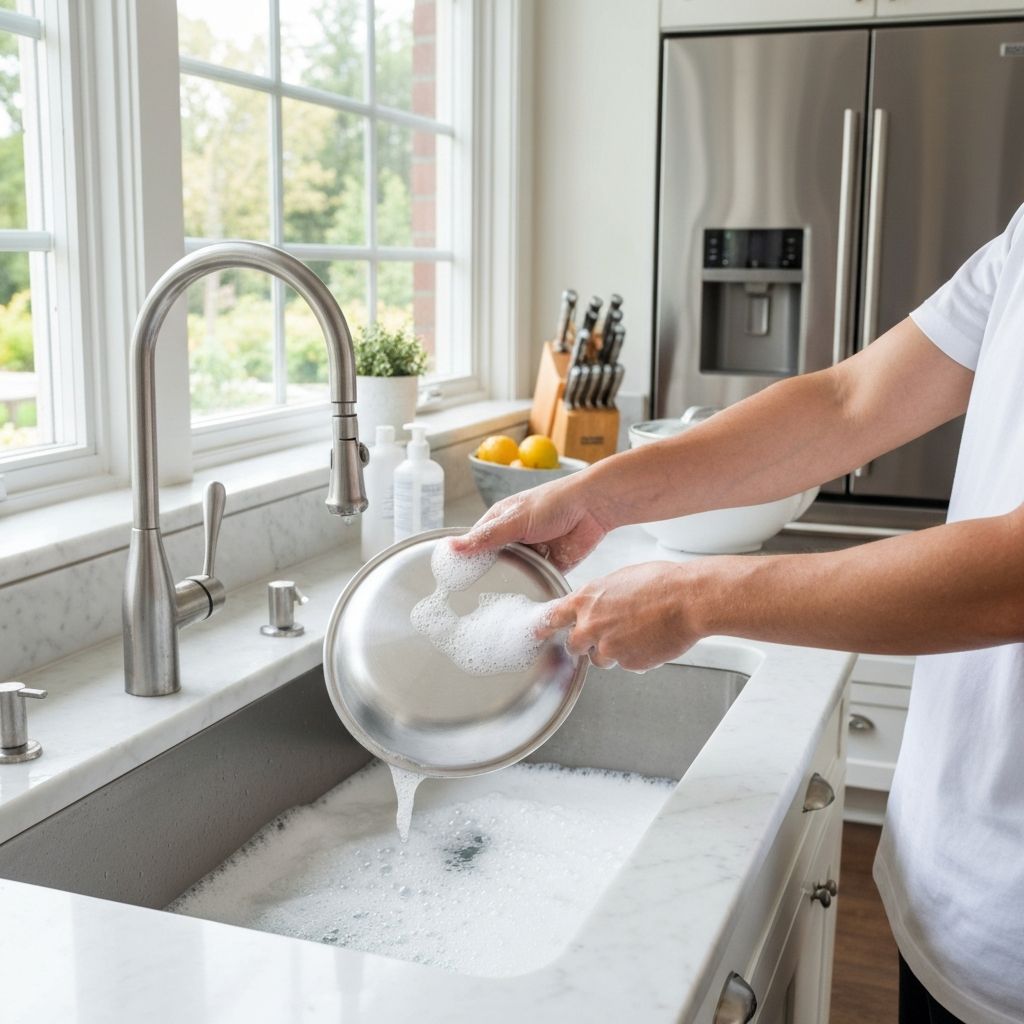
Restoring Vintage Shine: The Boiling Method
Over time, aluminum naturally oxidizes and develops a dark, gray patina. This discoloration is completely normal and doesn't affect cooking performance, but if you prefer the original bright aluminum shine, the Boiling Method using cream of tartar is the safest and most effective restoration technique.
This method works by creating a mild acidic solution that gently removes the oxidation layer without damaging the aluminum. It's perfect for restoring vintage WearEver cookware, darkened aluminum pans, and removing stubborn water stains or mineral deposits.
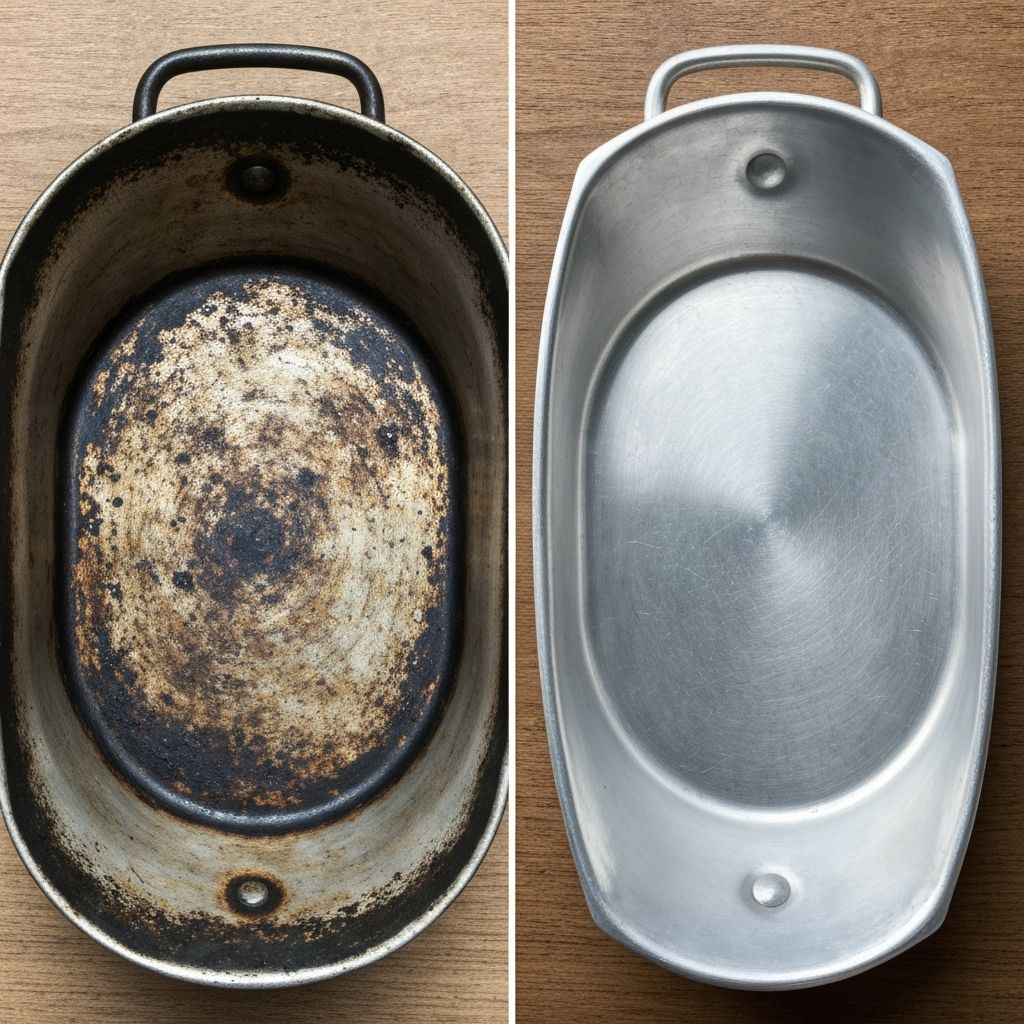
Cream of Tartar Boiling Method Recipe
What You'll Need:
- Cream of Tartar (2 tablespoons per quart of water)
- Water (enough to fill the discolored pan or pot)
- Soft sponge or cloth for wiping
- Dish soap for final washing
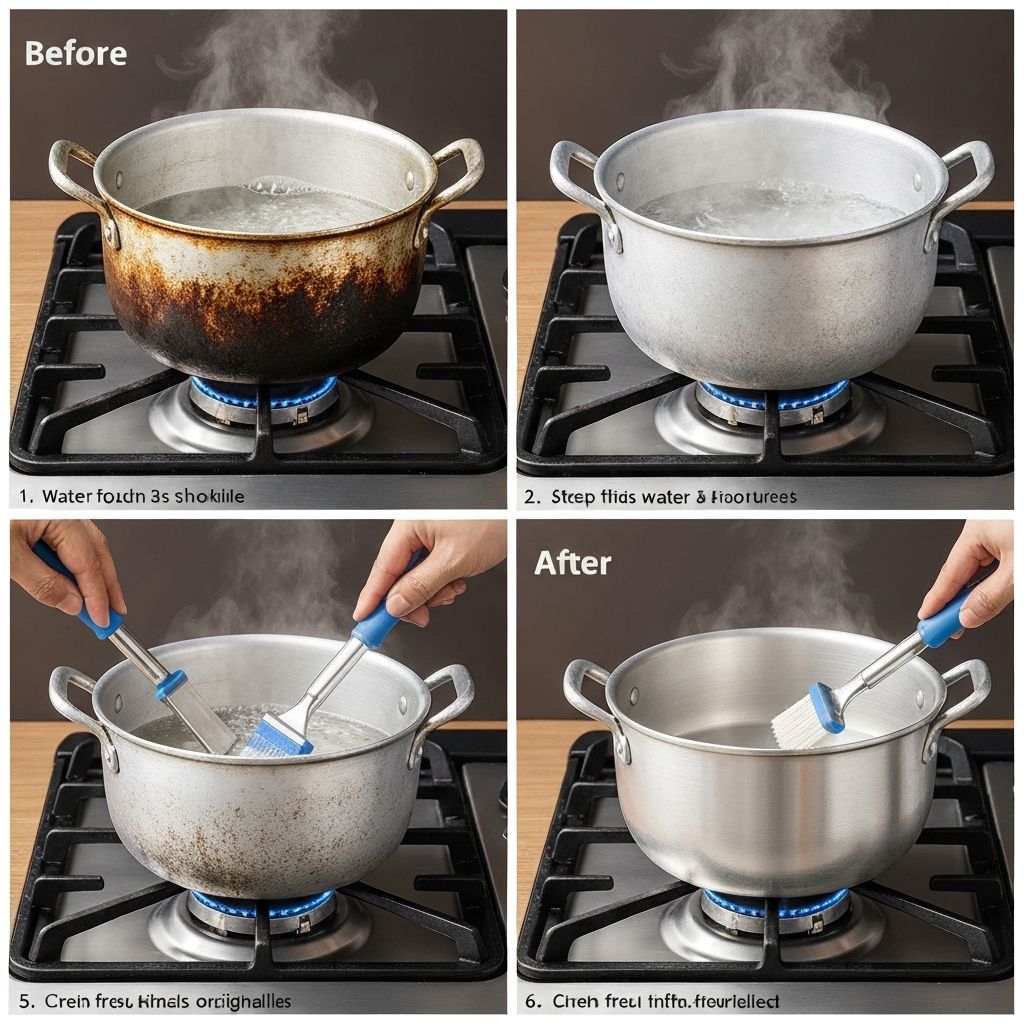
Step-by-Step Instructions:
- 1Fill the pan with water
Fill your discolored aluminum pan or pot with water until it covers the discolored areas. If the exterior is also discolored, you'll need to place the pan in a larger pot filled with water.
- 2Add cream of tartar
Add 2 tablespoons of cream of tartar for every quart (4 cups) of water. Stir to dissolve. For heavily oxidized pans, you can increase to 3 tablespoons per quart. Alternative: You can substitute with white vinegar (2 tablespoons per quart) or lemon juice, though cream of tartar is gentler and more effective.
- 3Bring to a boil
Place the pan on the stove over medium-high heat and bring the solution to a gentle boil. Once boiling, reduce heat to maintain a steady simmer.
- 4Simmer for 10-15 minutes
Let the solution simmer for 10-15 minutes. You should start seeing the dark discoloration lifting away. For heavily oxidized vintage WearEver cookware, you may need to simmer for up to 20 minutes.
- 5Let cool and rinse
Turn off the heat and let the water cool completely. Pour out the solution and rinse the pan thoroughly with clean water. The aluminum should now look significantly brighter.
- 6Wash and dry
Wash the pan with regular dish soap and warm water using a soft sponge. Dry thoroughly with a clean towel to prevent water spots. Your WearEver aluminum cookware should now have restored its original shine!
Pro Tip: For extremely stubborn stains or burnt-on food, you can make a paste of cream of tartar and water, apply it directly to the problem areas, and let it sit for 30 minutes before boiling. This pre-treatment works wonders on vintage WearEver cookware with decades of buildup.
Removing Burnt Grease and Stubborn Food Stains
If your aluminum cookware has burnt-on food or grease that won't come off with regular washing, try these additional methods before or after the boiling method:
Baking Soda Paste Method
Mix 3 parts baking soda with 1 part water to create a thick paste. Apply the paste to burnt or stained areas and let sit for 15-30 minutes. Scrub gently with a non-abrasive sponge in circular motions. The mild abrasive action of baking soda removes burnt food without scratching aluminum. Rinse thoroughly and wash with dish soap.
Vinegar Soak for Tough Stains
For stubborn burnt grease on aluminum cookware, fill the pan with equal parts white vinegar and water. Let it soak for 30-60 minutes (do not boil vinegar as it can be harsh on aluminum). After soaking, scrub with a soft sponge. The acidic vinegar helps break down grease and carbonized food particles.
Bar Keeper's Friend for Heavy Stains
For heavily stained vintage WearEver aluminum cookware, Bar Keeper's Friend (oxalic acid-based cleaner) is very effective. Make a paste with the powder and water, apply to stained areas, let sit for 1-2 minutes (no longer!), then scrub gently with a soft sponge. Rinse immediately and thoroughly. Do not use on non-stick coatings—only bare aluminum.
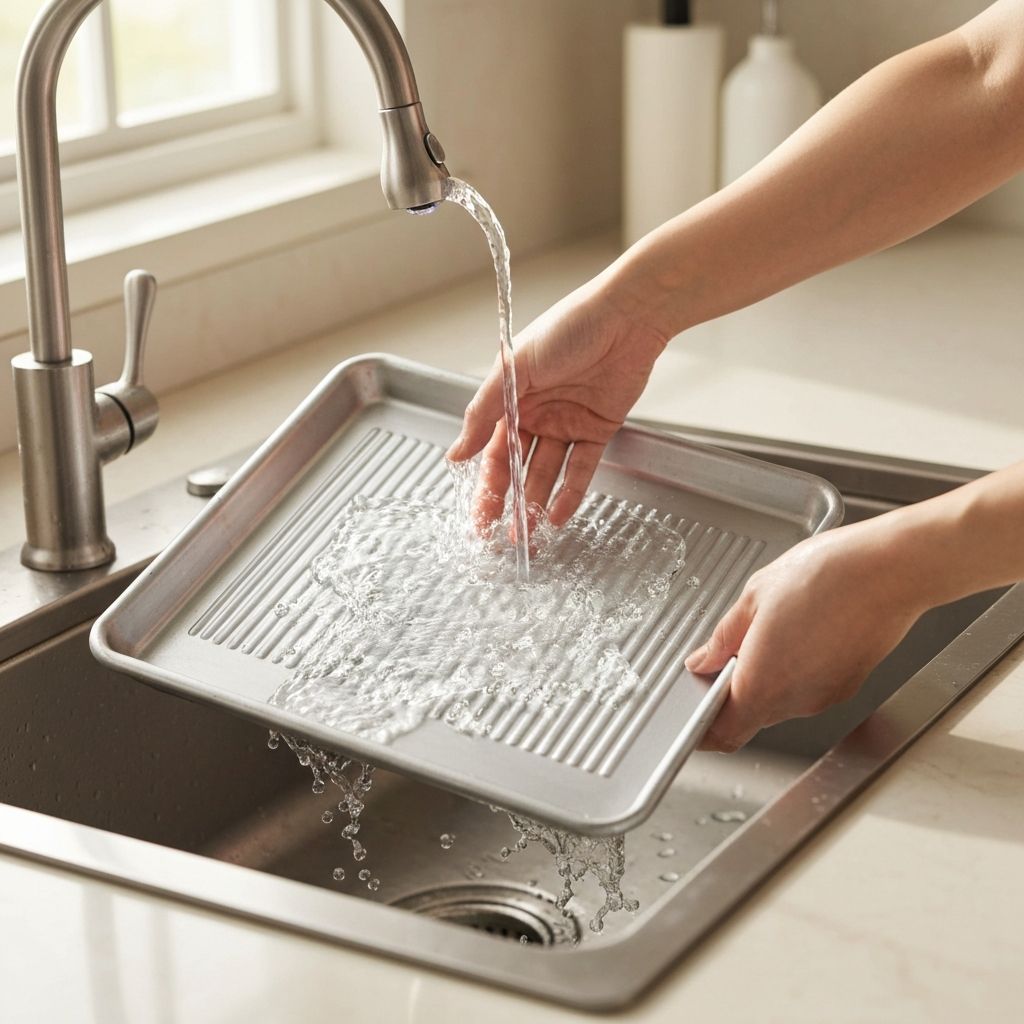
AirBake Insulated Bakeware: Special Care Required
WearEver AirBake bakeware requires special care due to its unique double-wall insulated construction. The air pocket between the two aluminum layers is what makes AirBake so effective at preventing burnt bottoms, but improper cleaning can compromise this design.
Follow these specific care instructions to keep your AirBake cookie sheets and baking pans performing perfectly for years to come.
DO: Proper AirBake Care
- Hand wash immediately after use
Wash by hand with warm soapy water and a soft sponge while the pan is still slightly warm. This prevents food from hardening and makes cleaning easier.
- Dry thoroughly before storing
Wipe completely dry with a clean towel and let air dry for a few minutes to ensure no moisture remains.
- Use baking soda for stuck-on food
Make a paste of baking soda and water for stubborn spots. Let sit 10 minutes, then scrub gently with a soft sponge.
- Store flat or hanging
Store flat or hang on hooks. If stacking, place pan protectors or clean towels between pans to prevent scratches.
- Accept light discoloration
Some darkening over time is normal and won't affect baking performance. This is natural aluminum oxidation.
DON'T: AirBake Mistakes
- NEVER soak AirBake pans in water
Extended soaking can allow water to seep into the air pocket between the layers, causing waterlogging, rust, and permanent damage to the insulation.
- Avoid dishwashers
While technically dishwasher safe, the harsh detergents and high heat can dull the finish, cause discoloration, and potentially allow water penetration over time.
- Don't cut directly on the pan
Cutting cookies or pizza directly on the pan can scratch the surface. Always remove baked goods to a cutting board first.
- Avoid abrasive cleaners
Steel wool, scouring powders, and abrasive pads can scratch the aluminum surface. Use only soft sponges or cloths.
- Don't stack heavy items on top
Placing heavy pots or pans on top of AirBake can cause denting or warping of the thin aluminum walls.
What to Do If Your AirBake Gets Waterlogged
If you accidentally soaked your AirBake pan and water got into the air pocket (you'll hear sloshing or see moisture stains), here's how to try to save it:
- 1
Shake out as much water as possible through the crimped edges.
- 2
Place the pan in a warm (200°F/93°C) oven for 1-2 hours to evaporate trapped moisture. Prop one edge up slightly to allow steam to escape.
- 3
Let it air dry completely for 24-48 hours in a warm, dry place. You can also try using a hairdryer on low heat around the edges.
- 4
If rust stains appear inside the air pocket, the pan may be permanently damaged, but it's still safe to use—it just may not perform as well at preventing burning.
How to Season Aluminum Cookware for Natural Non-Stick
While WearEver aluminum isn't cast iron, you can season natural finish aluminum fry pans and sauce pans to develop a semi-non-stick surface. This process creates a thin layer of polymerized oil that reduces sticking and adds a protective patina to the aluminum.
This technique is particularly useful for vintage WearEver aluminum cookware or professional-grade pans without non-stick coatings. Note: Do NOT season AirBake bakeware or pre-coated non-stick pans.
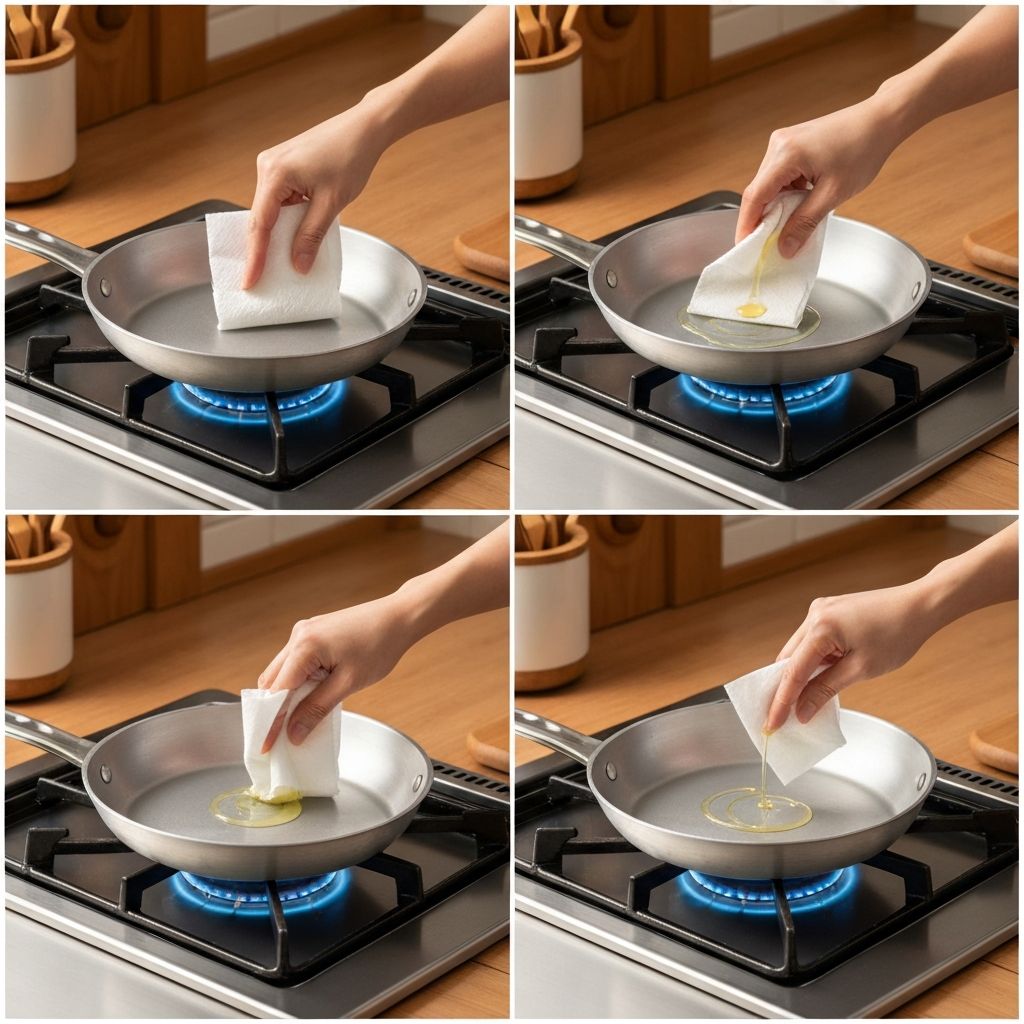
Step-by-Step: Seasoning WearEver Aluminum Cookware
What You'll Need:
- High smoke point oil (vegetable, canola, or grapeseed oil)
- Paper towels or clean lint-free cloth
- Clean, dry aluminum pan (bare aluminum, no coating)
- Oven or stovetop
Seasoning Instructions:
- 1Clean thoroughly
Wash the aluminum pan with hot soapy water and dry completely. For new pans, this removes manufacturing residue. For old pans, you may want to restore the shine first using the boiling method described above.
- 2Heat the pan
Place the clean, dry pan on medium heat for 2-3 minutes until it's warm to the touch. This opens the pores in the aluminum. Alternatively, preheat your oven to 400°F (200°C).
- 3Apply thin layer of oil
Add about 1 tablespoon of high smoke point oil to the warm pan. Using a paper towel or cloth, spread the oil in a very thin, even layer over the entire interior surface, including up the sides. The key is "thin"—excess oil will become sticky rather than creating a smooth seasoning.
- 4Heat until smoking (stovetop method)
Increase heat to medium-high and heat the oiled pan until you see wisps of smoke (about 5-7 minutes). Tilt and rotate the pan to ensure even heating. Once smoking, maintain for 1-2 minutes, then remove from heat and let cool completely.
- 5Or bake it (oven method)
Place the oiled pan upside down in a 400°F (200°C) oven with aluminum foil on the rack below to catch drips. Bake for 1 hour. Turn off oven and let the pan cool inside completely.
- 6Wipe excess and repeat
Once cool, wipe out any excess oil with a paper towel. The pan should have a slightly darker, matte finish. For best results, repeat the seasoning process 2-3 times. Each layer builds upon the previous one to create a better non-stick surface.
- 7Maintain the seasoning
After cooking, clean the pan with hot water and a soft sponge—avoid soap if possible as it strips the seasoning. Dry immediately and rub a tiny amount of oil on the surface after each use to maintain the seasoning layer.
What to Expect from Seasoned Aluminum
Seasoned aluminum won't be as non-stick as Teflon or ceramic coatings, but it will significantly improve performance:
Benefits of Seasoning:
- Eggs and delicate fish slide more easily
- Reduces sticking when sautéing vegetables
- Creates a protective barrier against oxidation
- Develops character and improves with use
When to Re-Season:
- If food starts sticking more than usual
- After using soap to clean (strips some seasoning)
- If the surface looks dry or dull
- After cooking acidic foods (tomatoes, citrus)
Caring for WearEver Pure Living Ceramic Non-Stick Cookware
WearEver Pure Living ceramic non-stick cookware is PTFE and PFOA-free, making it a healthier choice. However, ceramic coatings require specific care to maintain their non-stick properties and prevent premature wear.
Daily Care Best Practices
- Hand wash is strongly recommended
Use warm water, mild dish soap, and a soft sponge or cloth. Ceramic coatings can be damaged by harsh dishwasher detergents over time.
- Use low to medium heat only
Ceramic doesn't require high heat. Medium heat provides excellent cooking performance and extends coating life. High heat can damage the ceramic coating permanently.
- Avoid cooking sprays
Aerosol cooking sprays contain additives that build up on ceramic and create a sticky, burnt residue that ruins non-stick performance. Use butter, oil, or cooking fat instead.
- Let cool before washing
Never plunge hot ceramic cookware into cold water—thermal shock can cause the coating to crack. Allow to cool naturally for 5-10 minutes.
- Use silicone, wood, or nylon utensils
While ceramic is more scratch-resistant than PTFE, using gentle utensils extends coating life. Avoid sharp metal tools.
Deep Cleaning Ceramic Cookware
If your ceramic non-stick has lost its slip or developed a sticky residue:
For Buildup and Sticky Residue:
Fill the pan with water and add 2 tablespoons of baking soda and 1/4 cup white vinegar. Bring to a gentle simmer for 10 minutes. Let cool, then wash with dish soap and a soft sponge. This removes cooking spray buildup and burnt-on oils that cause sticking.
For Stubborn Stains:
Make a paste of baking soda and water. Apply to stained areas, let sit for 15 minutes, then scrub gently with a soft sponge. Rinse thoroughly. Never use abrasive cleaners like Bar Keeper's Friend on ceramic coatings.
Restoring Non-Stick Properties:
After deep cleaning, heat the pan on low with a small amount of vegetable oil for 1-2 minutes, then wipe out with a paper towel. This conditions the ceramic surface and can temporarily restore some non-stick properties.
Important: Ceramic coatings have a limited lifespan (typically 1-3 years with daily use). Once the non-stick properties are gone and cannot be restored, it's time to replace the cookware. Continuing to use damaged ceramic can lead to food sticking and an unpleasant cooking experience.
What NOT to Do: Avoid These Common Mistakes
These cleaning methods and products can permanently damage your WearEver cookware. Avoid them at all costs to preserve your investment and ensure safe cooking.
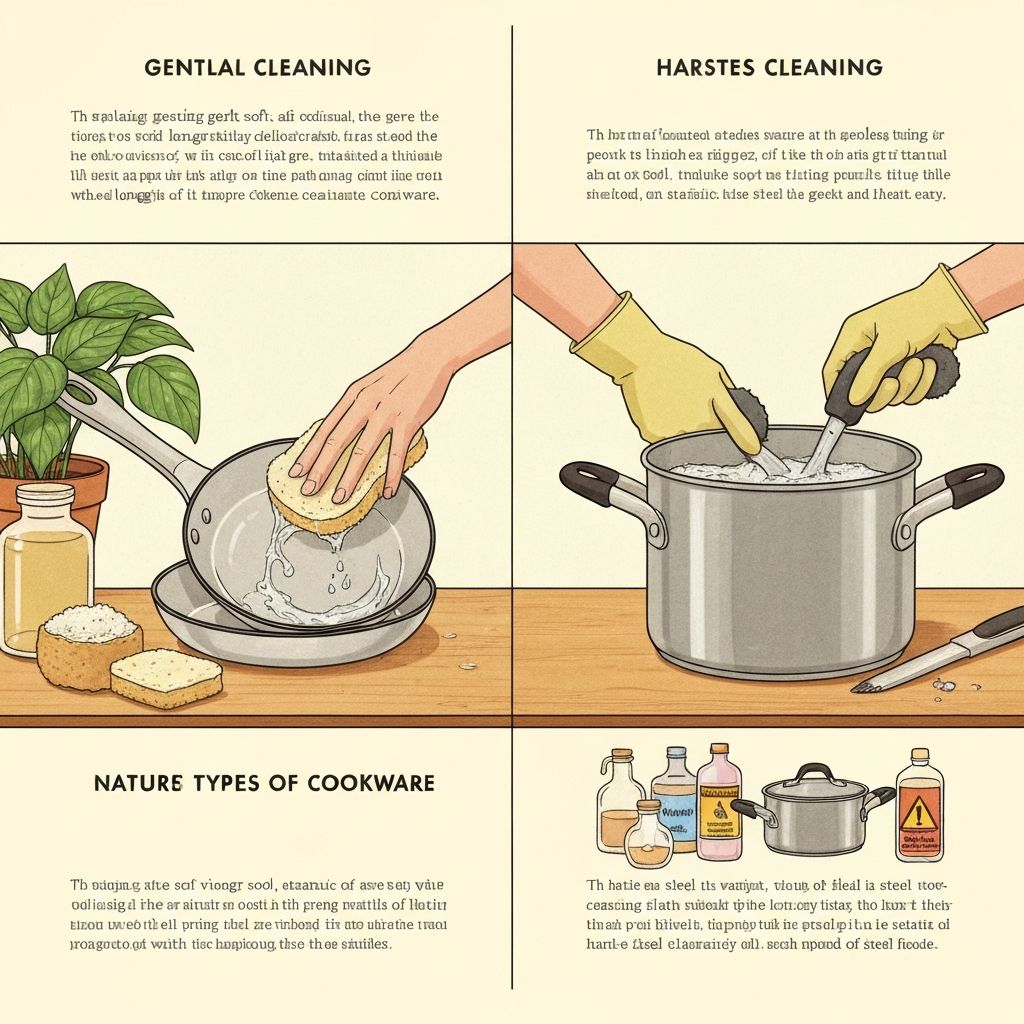
Never Use These Products
Bleach or Chlorine Cleaners
Bleach can cause permanent pitting, discoloration, and corrosion of aluminum. It will eat through the metal and any protective coatings. Never use bleach-based cleaners on any WearEver cookware, period.
Oven Cleaners (Lye-Based)
Oven cleaners contain lye (sodium hydroxide) which is extremely caustic to aluminum. They will strip away both aluminum and any coatings, leaving a damaged, pitted surface. This is irreversible damage.
Steel Wool or Abrasive Scouring Pads
Steel wool and abrasive pads will scratch non-stick coatings beyond repair. Even on bare aluminum, they create deep scratches that trap food and bacteria. Use only soft sponges or nylon scrub brushes.
Dishwasher Detergent on Non-Stick
Automatic dishwasher detergents are highly alkaline and abrasive, designed to strip grease. They will rapidly degrade non-stick coatings (both PTFE and ceramic) and dull aluminum finishes. Always hand wash non-stick cookware.
Never Do These Things
Soak AirBake Pans
Extended soaking allows water to penetrate into the air pocket between the double walls, causing rust, waterlogging, and permanent damage to the insulation. Clean AirBake pans immediately after use—never leave them sitting in water.
Heat Empty Pans
Heating empty pans, especially non-stick, can cause warping from uneven heat expansion and can damage or release fumes from non-stick coatings. Always add oil or food before heating.
Thermal Shock (Hot to Cold)
Plunging hot cookware into cold water causes thermal shock that can warp aluminum and crack ceramic coatings. Always let cookware cool naturally to room temperature before washing.
Use Metal Utensils on Non-Stick
Sharp metal spatulas, forks, and knives will scratch and gouge non-stick surfaces, creating places for food to stick and potentially releasing coating particles into food. Always use silicone, wood, or nylon utensils on coated cookware.
Store Wet or Stack Without Protection
Storing cookware while still wet can lead to water spots and mineral deposits. Stacking without pan protectors causes scratches. Always dry thoroughly and use felt or cloth protectors between nested pans.
Safe Alternatives: What to Use Instead
For Cleaning:
- • Mild dish soap
- • Baking soda paste
- • White vinegar (diluted)
- • Cream of tartar
- • Lemon juice
For Scrubbing:
- • Soft sponges
- • Microfiber cloths
- • Nylon scrub brushes
- • Soft-bristle brushes
- • Non-scratch scour pads
For Utensils:
- • Silicone spatulas
- • Wooden spoons
- • Nylon turners
- • Bamboo utensils
- • Heat-resistant plastic
Troubleshooting Common WearEver Cookware Issues
Having problems with your WearEver cookware? Here are solutions to the most common issues our customers face.
Problem: Dark gray or black discoloration on aluminum
Cause: Natural aluminum oxidation from exposure to air, water, and heat. Completely normal and safe.
Solution: Use the Cream of Tartar Boiling Method described above to restore shine. This is purely cosmetic—the discoloration doesn't affect cooking performance or safety.
Problem: White chalky buildup or spots
Cause: Mineral deposits from hard water, especially in areas with high calcium content.
Solution: Boil equal parts water and white vinegar in the pan for 10 minutes. Let cool, rinse, and wash. For stubborn deposits, soak in full-strength vinegar for 30 minutes before boiling. Always dry immediately after washing to prevent new deposits.
Problem: Food sticking to ceramic non-stick surface
Cause: Cooking spray buildup, high heat damage, or natural coating wear from extended use.
Solution: Deep clean with baking soda and vinegar solution (see Ceramic Care section). Stop using cooking sprays—use butter or oil instead. Always use low-medium heat. If sticking persists after cleaning, the coating may be worn out and the cookware needs replacement.
Problem: Burnt food residue won't come off
Cause: High heat causing carbonization of oils and proteins.
Solution: For bare aluminum: Make a baking soda paste, apply to burnt areas, let sit 30 minutes, then scrub with nylon brush. Or try the boiling method with cream of tartar. For non-stick: Fill with warm water and dish soap, let soak 15-30 minutes (not AirBake!), then clean gently. Never use metal scrubbers.
Problem: Warped or bowed pan bottom
Cause: Thermal shock from heating empty pan or plunging hot pan into cold water, or using excessively high heat.
Solution: Unfortunately, warping is permanent and cannot be reversed. Prevent future warping by never heating empty pans, always letting pans cool before washing, and avoiding maximum heat settings. A warped pan will still work but may have uneven heating. For severe warping, replacement is recommended.
Problem: AirBake pan has water inside the air pocket
Cause: Soaking the pan for extended periods allowed water to seep through the crimped edges.
Solution: See the detailed waterlogging recovery instructions in the AirBake Maintenance section above. Key steps: shake out water, heat in 200°F oven for 1-2 hours, air dry for 24-48 hours. Prevention is better—never soak AirBake pans.
Problem: Scratches or peeling on non-stick coating
Cause: Use of metal utensils, abrasive cleaners, or stacking without pan protectors.
Solution: Minor scratches are cosmetic, but deep scratches that expose aluminum mean the coating is compromised. Small flaking is a sign to replace the cookware. While pieces of coating are inert and pass through harmlessly if ingested, damaged non-stick doesn't perform well. Use as bare aluminum or replace. Prevention: always use gentle utensils and cleaners.
Problem: Metallic taste in food
Cause: Usually from cooking highly acidic foods (tomatoes, citrus, vinegar) in bare aluminum for extended periods.
Solution: This is harmless but unpleasant. Avoid cooking acidic foods for long periods in uncoated aluminum—use ceramic non-stick WearEver cookware instead. For bare aluminum, seasoning the pan (see Seasoning section) can reduce reactivity. Rinse food immediately if metallic taste is detected.
Ready to Restore Your WearEver Cookware?
With proper care and maintenance, your WearEver cookware will provide decades of reliable cooking performance. Start caring for your investment today.